
Sweden · 10.05.2026
Kebnekaise

Low
Danger level
1 — Low
Snowpack stability
The snowpack is well bonded and stable in general.
Likelihood of triggering
Triggering is generally possible only from high additional loads in isolated areas of very steep, extreme terrain. Only small and medium natural avalanches are possible.
Avalanche problems
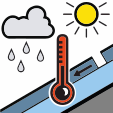
Wet snow
The avalanche problem is related to a weakening of the snowpack due to the presence of liquid water. Water infiltrates the snowpack due to melt or rain.
Good timing and trip planning are important. Consider avalanche runout zones.
Stability
Wet avalanches are expected mainly in steep, sunlit areas. Thin wind-drifted snow slabs may also occur, especially on the upper mountain where the snow is cold. Warning signs include sinking into the snow or seeing cracks or slabs. In steep terrain, you should be vigilant for both wet avalanches and dry wind-drifted snow slabs. Reduce the risk by choosing flatter slopes. Also, avoid staying close to cornices.
Snow quality
Small avalanches in isolated locations or in extreme terrain.
Tendency
Not assessed avalanche danger